
Last month, I sat through a 90-minute product meeting that somehow produced four Google Docs, two Slack threads, a Zoom transcript, and absolutely zero usable presentation slides.
Nobody wanted to build the deck afterward.
The product manager was busy updating Jira tickets. The marketing lead needed launch assets by noon. The designer already had three revision requests waiting. So the meeting notes just sat there. Buried.
Sound familiar?
That’s the exact reason more teams are switching to an ai ppt maker workflow instead of manually rebuilding presentations from scratch every week.
And honestly, once you’ve converted a messy transcript into a polished slide deck in under 10 minutes, it’s hard to go back.
Meetings Create Information Overload
A lot of teams think they have a communication problem. Most of the time, they actually have a formatting problem.
The ideas are already there.
Sales calls contain customer objections. Sprint meetings contain roadmap priorities. Strategy sessions contain decisions leadership teams need to align on later. But converting raw notes into something visual? That’s where momentum dies.
I used to spend almost two hours after every client workshop organizing notes into PowerPoint slides. The worst part wasn’t even writing the content. It was fixing spacing, rebuilding layouts, editing master slides, resizing screenshots, and trying to make everything look consistent.
One deck. Two hours gone.
Now imagine doing that three or four times a week.
Why Teams Are Automating Presentation Creation
The rise of AI presentation tools isn’t really about “AI magic.” It’s about removing repetitive production work that nobody enjoys.
Here’s what changed for a lot of teams in 2025 and 2026:
- Meetings are recorded automatically
- AI transcripts are generated instantly
- Teams produce more internal documentation than ever
- Remote collaboration creates constant async updates
The bottleneck moved downstream. Information became easy to capture, but hard to present.
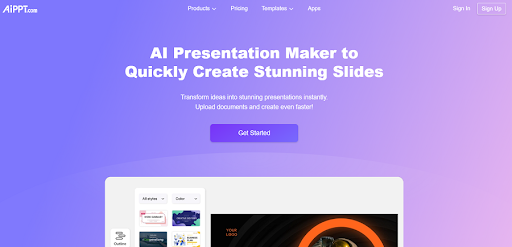
That’s why tools like ai ppt maker free platforms started gaining traction with consultants, startups, sales teams, and operations managers.
People don’t want another note-taking app. They want a fast way to turn information into something stakeholders will actually read.
I Tested the Workflow on a Real Client Call
A few weeks ago, I tried a simple experiment.
I took raw notes from a SaaS onboarding call. Nothing cleaned up. Just messy bullet points like:
- client struggling with onboarding drop-off
- support tickets increasing after week 2
- wants shorter training flow
- asked for KPI dashboard screenshots
- launch timeline moved to Q3
Normally I’d open PowerPoint and start manually organizing everything into sections.
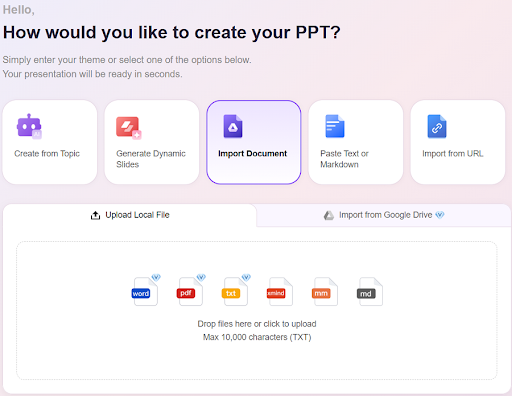
Instead, I pasted the notes into AiPPT.
The first draft came back in less than 60 seconds.
Not perfect. But surprisingly usable.
The AI separated the content into:
- Client pain points
- Current onboarding challenges
- Suggested optimization areas
- Timeline considerations
- Next-step recommendations
Even the slide hierarchy made sense.
What saved the most time wasn’t writing. It was structure. The system handled the annoying first 70% of the work automatically.
I still edited the slides manually afterward because AI-generated decks always need refinement. But instead of spending two hours building slides from zero, I spent maybe 15 minutes improving the messaging.
Huge difference.
The Real Productivity Gain Isn’t What Most People Think
People assume AI slide tools are mainly about speed.
Partly true.
But after using them consistently, I think the bigger advantage is reducing decision fatigue.
Starting with a blank slide deck is mentally exhausting. Every tiny choice slows you down:
- Which layout?
- Which title?
- How many sections?
- Should this be a chart or bullet list?
- Does this slide need visual hierarchy?
An AI-generated first draft removes that initial friction.
You stop obsessing over formatting and start focusing on communication.
That shift matters more than most software reviews mention.
How I Turn Meeting Notes Into Slides Now
My workflow today is much simpler than it was a year ago.
Step 1: Clean the Notes Slightly
I don’t over-edit. But I do remove:
- duplicate ideas
- off-topic discussion
- filler comments
- broken transcript sections
If the input is chaotic, the slides usually become chaotic too.
Step 2: Paste Everything Into the AI Tool
This part takes maybe 30 seconds.
Most modern AI presentation systems can identify:
- key themes
- recurring topics
- action items
- timeline references
- presentation structure
That automatic organization is where most of the time savings happen.
Step 3: Generate the Draft Deck
This is where the workflow feels almost unfair compared to manual PowerPoint creation.
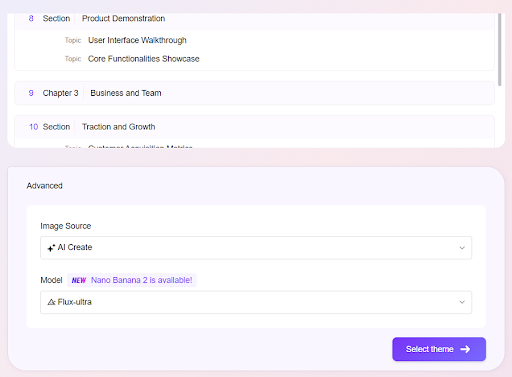
A decent AI tool can generate:
- section headers
- summary slides
- agenda layouts
- visual formatting
- editable content blocks
For a 30-page meeting summary, I’ve seen usable drafts generated in under 90 seconds.
Not final versions. But solid first drafts.
Step 4: Edit Like a Human
This part is important.
The best presentations still need human judgment.
I usually:
- rewrite awkward slide titles
- remove repetitive bullets
- add screenshots or charts
- simplify overloaded slides
- adjust tone for the audience
AI handles structure well. Humans still handle nuance better.
Where AI PPT Workflows Actually Help the Most
After testing different workflows, I’ve noticed some use cases perform much better than others.
Client Recap Decks
Probably the biggest time saver.
After strategy calls or onboarding meetings, teams can create polished recap slides almost immediately while the conversation is still fresh.
Internal Weekly Reports
Nobody enjoys making weekly status decks manually.
AI-generated presentations reduce that repetitive work significantly.
Workshop Summaries
Workshops generate huge amounts of scattered information. AI helps organize everything into a logical narrative faster.
Sales Discovery Calls
This one surprised me.
Turning discovery call notes into proposal-ready slides saves sales teams a massive amount of prep time before follow-ups.
Common Problems I Ran Into
Not every AI-generated deck is good automatically.
A few issues show up repeatedly.
Too Much Text Per Slide
AI tools often try to summarize everything at once. The result can feel crowded.
I usually cut at least 30% of the content manually afterward.
Generic Slide Titles
Sometimes the titles sound robotic:
- “Overview of Current Challenges”
- “Analysis of Existing Situation”
Real humans rarely present like that.
Changing titles into conversational phrasing improves readability immediately.
Weak Narrative Flow
Some generated decks feel like disconnected summaries instead of presentations.
That’s why I still reorganize sections manually before exporting final slides.
Why This Trend Is Growing Fast in North America
A lot of North American teams are overloaded with meetings right now.
Hybrid work didn’t reduce communication volume. It multiplied it.
Every discussion creates:
- transcripts
- summaries
- Slack follow-ups
- project updates
- reporting requests
People are drowning in documentation.
That’s why “presentation automation” has become a real productivity category instead of just another AI gimmick.
Search interest around tools categorized as ppt maker ai platforms has grown because businesses are actively looking for ways to reduce admin-heavy workflows.
Especially startups and agencies where small teams wear multiple hats.
What I’d Recommend Before Using Any AI Slide Generator
A few practical tips after months of testing these tools:
Don’t Paste Raw Transcript Dumps
Clean them first.
If your Zoom transcript contains random interruptions and unrelated discussion, the AI will absolutely include them in the deck.
Keep Source Notes Structured
Bullet points work better than giant text walls.
Even small formatting improvements help output quality.
Use AI for Drafting, Not Final Approval
The best workflow is:AI generates → human edits → team reviews.
That combination works far better than fully automated decks.
Focus on Clarity Over Volume
Shorter presentations usually perform better internally.
Just because AI can generate 40 slides doesn’t mean it should.
Final Thoughts
I don’t think AI presentation tools replace communication skills. If anything, they expose weak communication faster.
But they do remove a frustrating layer of repetitive production work that used to eat entire afternoons.
And honestly, that’s enough reason for most teams to adopt them.
If your meetings already produce valuable ideas, action items, and decisions, the real challenge isn’t gathering information anymore. It’s turning that information into something usable before momentum disappears.
That’s where AI-assisted slide creation genuinely helps. Not because it feels futuristic. Because it solves an annoying, expensive workflow problem almost every modern team already has.